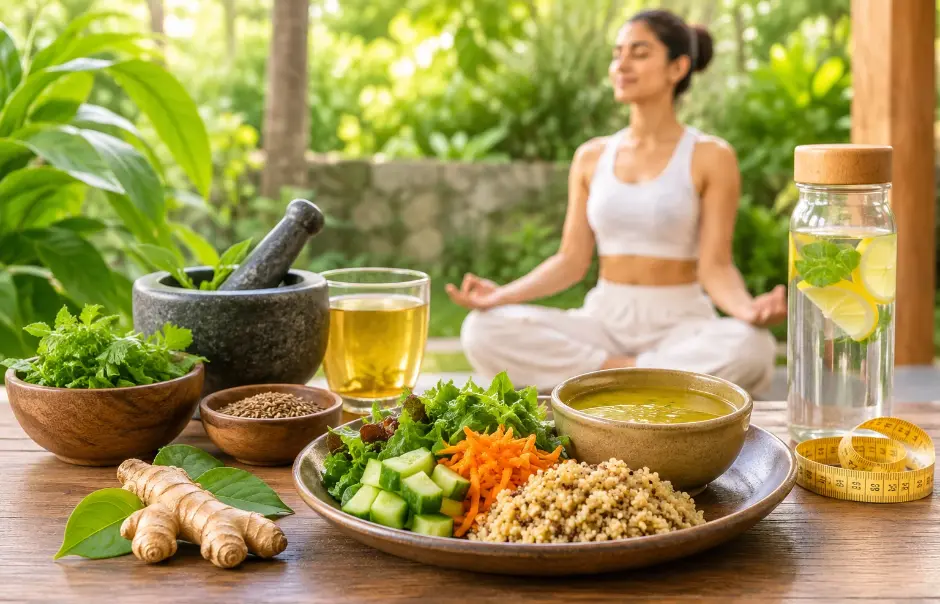
Modern life often leaves little room to slow down. Between work, screen time, family responsibilities, and irregular meals, maintaining a consistent wellness routine can feel difficult. Ayurveda and yoga offer two complementary approaches to making everyday life more mindful, balanced, and intentional.
Ayurveda focuses on lifestyle habits, food choices, daily rhythms, and individual differences, while yoga combines physical postures, breathing practices, concentration, and relaxation. Practised together, they can help create a routine that supports general wellbeing without requiring a complicated schedule.
The key is consistency rather than perfection. You do not need to spend hours practising yoga or completely change your diet overnight. Small, realistic habits can make wellness easier to maintain.
In this guide, we explore the relationship between Ayurveda and yoga, how to build a daily wellness routine, and how to adapt these traditional practices to your lifestyle.
What Are Ayurveda and Yoga?
Understanding Ayurveda
Ayurveda is a traditional system of health and wellbeing that originated in India. It considers daily habits, food, sleep, activity, environment, and individual constitution when developing a lifestyle approach.
One of its central concepts is the three doshas: Vata, Pitta, and Kapha. These are traditional frameworks used to describe different patterns of physical and mental characteristics. Ayurvedic practitioners may use them to guide recommendations for food, daily routines, and other lifestyle practices.
For example, an Ayurvedic routine may emphasise regular meal times, sufficient rest, gentle movement, and seasonal adjustments. The precise recommendations depend on the individual and the practitioner’s approach.
Ayurveda has a long cultural history, but traditional explanations should not automatically be treated as scientifically established medical facts. Its lifestyle practices are best considered alongside current medical guidance.
Understanding yoga
Yoga is a traditional Indian discipline that encompasses more than physical exercise. Depending on the style, a yoga practice may include postures (asanas), breathing techniques (pranayama), meditation, and relaxation.
A daily yoga routine can be adapted to different fitness levels and schedules. Some people prefer a gentle morning sequence, while others find a short evening practice more convenient.
Research suggests that yoga may help improve aspects of flexibility, balance, stress management, and general wellbeing. Results vary according to the individual, the style of yoga, and how consistently it is practised.
When combined thoughtfully, Ayurveda provides a broader lifestyle framework, while yoga offers practical techniques for movement, breathing, and awareness.
How Ayurveda and Yoga Work Together
Ayurveda and yoga share traditional philosophical roots and an emphasis on developing awareness of everyday habits. Their practical approaches can complement one another.
Ayurveda encourages you to pay attention to your daily rhythm, nourishment, rest, and individual needs. Yoga gives you a structured way to include movement, breathing, and moments of stillness in that rhythm.
Consider a typical day. You wake up at a consistent time, drink water according to your needs, practise gentle yoga, eat a balanced breakfast, and take short breaks during work. In the evening, you reduce stimulating activities and make time for relaxation.
None of these habits needs to be complicated. Together, they can create a more deliberate approach to everyday wellbeing.
A practical example
Imagine someone who spends most of the day sitting at a desk and often works late. Instead of starting with an ambitious wellness plan, they could introduce three habits:
- Ten minutes of gentle yoga in the morning.
- Regular meal and movement breaks during the working day.
- Five minutes of slow, comfortable breathing before bed.
An Ayurvedic perspective can help that person examine their daily patterns, including meal timing, sleep, and activity. Yoga supplies accessible practices that fit into those patterns.
The aim is not to follow a rigid formula. It is to develop a routine that works with real-life responsibilities.
The Benefits of Combining Ayurveda and Yoga
The combination of Ayurveda and yoga may support several aspects of a healthy lifestyle. The most realistic benefits come from the everyday habits themselves, rather than promises of a complete physical or mental transformation.
1. A more consistent daily rhythm
Regular wake-up times, planned meals, movement, and a calming evening routine can make the day feel more structured.
Ayurveda places particular emphasis on daily routines, often referred to as dinacharya. Yoga can become one part of that structure, helping you establish a regular time for movement and relaxation.
Consistency matters more than following an exact schedule every day.
2. Improved flexibility and physical awareness
Yoga postures can help develop flexibility, balance, and body awareness. Gentle movement may also provide a useful break from prolonged sitting.
An Ayurvedic lifestyle approach can complement this practice by encouraging attention to rest, recovery, and the way daily activities affect comfort and energy.
Choose movements suited to your current ability, and avoid forcing your body into unfamiliar positions.
3. Support for stress management
A demanding schedule can make it difficult to switch off. Yoga may provide a dedicated opportunity to slow down, while breathing exercises and meditation can help some people manage everyday stress.
Ayurveda’s emphasis on regular sleep, nourishing meals, and a manageable daily rhythm offers another way to approach wellbeing.
Neither practice replaces professional mental healthcare when needed, but appropriate yoga and relaxation practices may be useful additions to a broader self-care plan.
4. More mindful eating habits
Ayurveda encourages people to pay attention to food, digestion, appetite, and daily routines. Yoga and mindfulness practices may help you become more aware of hunger, fullness, and eating without unnecessary distractions.
A practical starting point is to sit down for meals, eat at a comfortable pace, and choose varied, balanced foods that meet your nutritional needs.
There is no single Ayurvedic diet that is appropriate for everyone. Dietary restrictions, medical conditions, allergies, and individual nutritional requirements should always be considered.
5. A stronger connection between rest and activity
Wellbeing involves both movement and recovery. A routine that includes yoga but leaves little time for sleep or rest may be difficult to sustain.
An integrated approach makes room for active periods, quiet breaks, and a consistent bedtime. These habits can support general health even when your schedule changes from day to day.
How to Build a Daily Ayurvedic Yoga Routine
A useful daily wellness routine should be realistic enough to repeat. Start with a few manageable practices and adjust them as your needs change.
Morning: Begin with gentle awareness
Suggested time: 15–25 minutes
Start your day without immediately checking messages or social media, if your circumstances allow.
A simple morning routine could include:
- Wake up at a reasonably consistent time.
- Drink water according to your thirst and needs.
- Spend two or three minutes noticing how you feel.
- Practise gentle yoga postures for 10–15 minutes.
- Finish with a short period of comfortable breathing or quiet reflection.
You might include gentle stretches, cat-cow movements, a comfortable standing posture, or a modified sun salutation. Choose movements that suit your mobility and experience.
Traditional Ayurvedic routines may include practices such as tongue cleaning or self-massage. These are optional, and they do not need to be added all at once.
Midday: Support your energy with simple habits
Suggested time: 5–15 minutes spread throughout the day
A wellness routine should continue beyond the yoga mat.
Try to:
- Eat balanced meals that suit your nutritional needs.
- Take short movement breaks during long periods of sitting.
- Step outside when practical.
- Drink fluids regularly according to your needs.
- Pause between tasks rather than moving from one demand to another without a break.
If you have time, a short walk after a meal can be an easy way to add movement to your day. It does not need to be treated as a strict Ayurvedic rule.
The purpose is to make healthy choices easier to repeat, not to follow a perfect timetable.
Evening: Create space to unwind
Suggested time: 10–20 minutes
An evening routine can help mark the transition from work and responsibilities to rest.
Consider a few gentle stretches, restorative yoga postures, or five minutes of comfortable breathing. You could also reduce screen time before bed, prepare for the following morning, and keep your bedtime reasonably consistent.
Avoid intense or stimulating practices close to bedtime if they leave you feeling more alert. Choose activities that help you settle comfortably.
Sample daily Ayurveda and yoga schedule
| Time | Practice | Purpose |
|---|---|---|
| 7:00 AM | Wake up and drink water as needed | Begin the day mindfully |
| 7:10 AM | Gentle yoga and stretching | Movement and flexibility |
| 7:25 AM | Quiet breathing or meditation | A calm start |
| 8:00 AM | Balanced breakfast | Nourishment |
| 12:30 PM | Mindful lunch and a short walk | Regular meals and movement |
| 3:30 PM | Brief stretch or movement break | Break up sitting time |
| 7:00 PM | Dinner at a comfortable time | Support a consistent routine |
| 9:00 PM | Gentle relaxation and reduced screen time | Prepare for rest |
These times are illustrative, not medical or traditional requirements. Adapt them to your work schedule, family commitments, climate, and personal preferences.
Ayurveda and Yoga for Different Lifestyles
Your routine should reflect your circumstances rather than a one-size-fits-all plan.
If you have a busy work schedule
Begin with a 10-minute morning yoga session and a few movement breaks during the day. Prepare simple meals when possible, and choose a realistic bedtime.
You can build on these habits once they become familiar.
If you are new to yoga
Start with beginner-friendly movements, gentle stretches, and short breathing sessions. A qualified instructor can help you learn appropriate alignment and modifications.
Avoid assuming that every traditional posture or breathing technique is suitable for every person.
If you want a more personalised approach
Some people explore Ayurveda through consultations, yoga classes, meditation, and guided lifestyle planning. An appropriately qualified practitioner may help you understand traditional Ayurvedic concepts and consider which practices fit your circumstances.
If you have a health condition, take medication, or have specific dietary needs, consult an appropriate healthcare professional before making substantial changes to your routine. Be particularly cautious with herbal products, detox regimens, fasting, or claims that a practice can treat or cure disease.
Common Mistakes to Avoid
Building a wellness routine should make daily life more manageable, not create another source of pressure.
- Trying to change everything at once: Adding multiple rituals, a strict diet, and a long yoga practice can be difficult to maintain. Introduce one or two habits first.
- Following a routine that does not fit your schedule: A routine designed for someone with a flexible morning may not work for someone who starts work early. Adapt the timing and duration.
- Treating dosha categories as medical diagnoses: Vata, Pitta, and Kapha belong to Ayurveda’s traditional framework. They should not replace medical assessment or determine whether a symptom requires treatment.
- Ignoring discomfort during yoga: Stretching should not require pushing through sharp pain, dizziness, or unusual breathlessness. Stop if you experience concerning symptoms and seek appropriate guidance.
- Expecting immediate results: Changes in flexibility, habits, or stress management can take time. Progress is individual, and no particular outcome is guaranteed.
- Using supplements without checking their safety: Some Ayurvedic products can interact with medicines or contain harmful contaminants. Consult a qualified healthcare professional before using them, especially if you have an existing medical condition.
How to Make Your Routine Sustainable
The best daily wellness routine is one you can return to, even after a busy week.
Start by choosing one morning habit and one evening habit. For example, practise 10 minutes of gentle yoga after waking and spend five minutes relaxing before bed.
After a week or two, reflect on what feels helpful and what needs adjustment. If you regularly skip a practice because it takes too long, shorten it. If a particular movement causes discomfort, replace it with an appropriate alternative.
You can also keep a simple journal of your sleep, energy, movement, and daily habits. Use these observations to understand your routine, not to judge yourself or diagnose a health problem.
For a broader introduction to Ayurvedic daily practices, explore Yara Wellness’s guide to the power of dinacharya. You can also learn more about meditation and wellness to discover ways to incorporate moments of stillness into your day.
Over time, small practices can become familiar parts of your lifestyle. You do not need to complete every activity every day for the routine to be worthwhile.
Conclusion: Make Wellness Part of Everyday Life
Ayurveda and yoga can complement each other by bringing together mindful lifestyle habits, movement, breathing, and rest. Ayurveda offers a traditional framework for considering daily rhythms and individual needs, while yoga provides practical ways to develop movement and awareness.
Start small: practise a few gentle yoga postures, make time for balanced meals, take movement breaks, and create an evening routine that supports rest. Adjust these habits as your circumstances change, and seek qualified guidance when you need personalised support.
At Yara Wellness, you can explore an approach to wellbeing that brings together Ayurvedic traditions and mindful lifestyle practices. If you would like to learn more about personalised wellness experiences in Bali, contact Yara Wellness or enquire about a consultation to discuss your interests and available options.
A sustainable routine is not about doing everything perfectly. It is about making thoughtful choices that you can continue to practise in everyday life.
Frequently Asked Questions
1. Can Ayurveda and yoga be practised together every day?
Yes. Many people incorporate yoga into an everyday routine inspired by Ayurvedic lifestyle principles. The frequency and intensity should suit your abilities, schedule, and health needs. Gentle daily movement may be appropriate for many people, while rest or modified practice may be necessary at other times.
2. What is the best time to practise yoga according to Ayurveda?
Morning yoga is a popular choice because it can establish a consistent start to the day. However, there is no universally best time for everyone. Choose a time when you can practise comfortably and consistently, and adjust the intensity to suit your energy and circumstances.
3. How long should a daily Ayurvedic yoga routine last?
You can start with 10–15 minutes of yoga and a few minutes of breathing or quiet reflection. If you have more time and feel comfortable, extend the practice gradually. A short, consistent routine is often more practical than an ambitious plan that is difficult to maintain.
4. Do I need to know my dosha before starting yoga?
No. You can begin with gentle, beginner-friendly yoga without identifying your dosha. Ayurvedic dosha concepts may inform traditional lifestyle recommendations, but they are not necessary for choosing a basic movement routine. Select practices according to your comfort, abilities, and goals.
5. What foods should I eat when following Ayurveda and yoga?
Choose a varied, balanced diet that meets your nutritional needs and takes account of your preferences, culture, allergies, and medical circumstances. Ayurvedic traditions offer different approaches to food, but no single menu is right for everyone. A registered dietitian or other qualified healthcare professional can help with individual dietary concerns.
6. Can Ayurveda and yoga help with stress?
Yoga, relaxation, and mindful daily habits may help some people manage everyday stress and support general wellbeing. Individual experiences vary, and these practices should not replace professional care for persistent or severe stress, anxiety, or other mental health concerns.
7. Is an Ayurvedic wellness retreat necessary to begin?
No. You can begin at home with simple yoga, regular meals, mindful breaks, and a consistent sleep schedule. A wellness retreat may provide a structured environment, guided classes, or opportunities to learn from practitioners, but it is optional rather than a requirement.