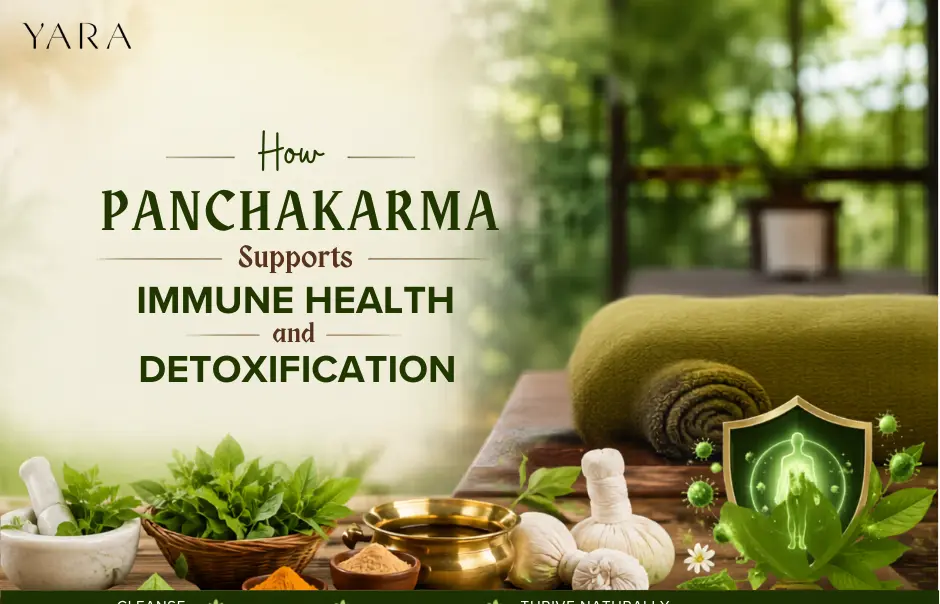


In a world overwhelmed by stress, processed food, environmental toxins, and sedentary lifestyles, the ancient science of Ayurveda offers a deeply grounded solution Panchakarma treatment.
Practiced for over 5,000 years in India, Panchakarma is not just a spa ritual or a trendy wellness experience. It is a comprehensive, medically guided detoxification and rejuvenation system that works at the cellular level to restore balance to the body and mind.
Whether you are dealing with chronic fatigue, digestive disorders, joint pain, stress, skin issues, or simply want a full-body reset, Panchakarma treatment has earned its reputation as one of the most powerful healing therapies in traditional medicine.
In this complete guide, you will learn exactly what Panchakarma treatment is, how each of the five core therapies works, who can benefit from it, what the real results look like, and how to approach it safely in 2026.
Panchakarma treatment is a classical Ayurvedic detoxification and purification therapy designed to eliminate deep-seated toxins (called ama in Ayurveda) from the body’s tissues and channels (srotas).
The word “Panchakarma” comes from Sanskrit:
So, Panchakarma literally means “five actions” or “five therapeutic procedures.”
These five therapies work together to cleanse the body from head to toe, targeting different organ systems and tissue layers. Panchakarma treatment is rooted in the idea that disease originates when the three biological energies of the body, Vata, Pitta, and Kapha (the three doshas), become imbalanced, and toxins accumulate in the tissues.
Unlike modern detox programs that focus only on diet or supplements, Panchakarma treatment addresses the root cause of imbalance by expelling toxins through natural pathways.
At the heart of Panchakarma treatment are five core therapeutic procedures. Each one targets specific doshas and organ systems.
Vamana is a controlled, medically induced vomiting procedure designed to eliminate excess Kapha dosha from the upper respiratory and digestive tract.
It is particularly effective for conditions like:
During Vamana, the patient is first prepared with internal oleation (consuming medicated ghee) and external sudation (steam therapy) for several days. A trained Ayurvedic physician then administers medicated herbal decoctions that trigger therapeutic vomiting under careful supervision.
Virechana is a medicated purgation therapy that cleanses the small intestine, liver, gallbladder, and blood by eliminating excess Pitta dosha.
It is highly effective for:
After preparatory oleation and sudation procedures, specific herbal laxative formulations are administered to cause controlled purgation. This expels Pitta-related toxins through the gastrointestinal tract.
Basti is widely considered the most important and versatile of all five Panchakarma treatments. It involves the administration of medicated oils, ghee, or herbal decoctions through the rectum to cleanse the colon and balance Vata dosha.
Since Vata governs the nervous system, movement, and elimination, Basti is especially powerful for:
There are two primary types of Basti:
A course of Basti typically involves a series of alternating oil and decoction enemas over several days.
Nasya involves the instillation of medicated oils, juices, or powders through the nasal passages to cleanse and rejuvenate the head, neck, and sensory organs.
In Ayurveda, the nose is considered the doorway to the brain and consciousness. Nasya is highly effective for:
Nasya is typically administered after a gentle facial massage and steam therapy to open the nasal passages.
Raktamokshana is the fifth and most specialized Panchakarma therapy. It involves controlled removal of impure blood to purify the blood and blood vessels and manage excess Pitta and blood-related toxicity.
Methods include:
Raktamokshana is indicated for:
Panchakarma treatment is not something that begins on Day 1 and ends with a massage. It follows a structured three-phase approach.
Before the main five therapies begin, the body must be prepared through Poorvakarma (pre-treatment). This phase has two key components:
The patient consumes increasing doses of medicated ghee or plain ghee over 3 to 7 days. This internal oleation loosens toxins embedded deep in the tissues and moves them toward the digestive tract for elimination.
External oleation involves Abhyanga, a full-body warm oil massage using specific Ayurvedic oils tailored to the patient’s dosha. This relaxes the body, opens channels, and softens tissues.
After oleation, the patient undergoes Swedana steam therapy or herbal fomentation. Heat causes the body’s channels to dilate, mobilizes toxins further toward the gut, and prepares the body to undergo the main Panchakarma procedures.
Common Swedana methods include Bashpa Sweda (steam box therapy) and Nadi Sweda (localized steam pipe therapy).
Phase 2: Pradhanakarma (Main Panchakarma Procedures)
Based on the patient’s Prakriti (constitution), Vikriti (current imbalance), season, and age, the Ayurvedic physician selects the appropriate therapies from the five Panchakarma treatments outlined above.
Not every patient undergoes all five procedures. The physician designs a personalized treatment plan specifying which therapies to administer, in what sequence, and for how many days.
Phase 3: Paschatkarma (Post-Treatment Protocols)
This is one of the most neglected yet critical phases of Panchakarma treatment. After the body has been deeply cleansed, the digestive fire (Agni) is temporarily weakened and the system is sensitive.
Paschatkarma includes:
Panchakarma treatment delivers a wide spectrum of benefits that go far beyond simple relaxation. Here are the most well-documented benefits:
Panchakarma reaches toxins (ama) stored at the cellular and tissue level, something that diet alone cannot accomplish. It eliminates fat-soluble toxins, environmental pollutants, and metabolic waste products.
By cleansing the gut and reviving digestive fire (Agni), Panchakarma effectively treats IBS, bloating, chronic constipation, hyperacidity, and poor nutrient absorption.
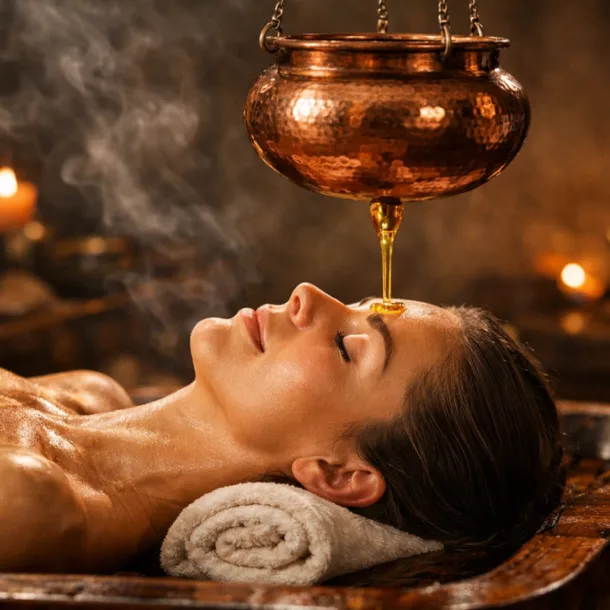
The combination of Abhyanga (oil massage), Shirodhara (oil pouring on the forehead), and meditative practices profoundly calms the nervous system, reduces cortisol levels, and alleviates stress, anxiety, and insomnia.
Panchakarma treatment, especially Basti and Pinda Sweda therapies, is highly effective for arthritis, rheumatoid arthritis, fibromyalgia, chronic back pain, and inflammatory joint conditions.
By improving metabolic function, normalizing thyroid activity, and correcting hormonal imbalances, Panchakarma creates an internal environment conducive to healthy, sustainable weight loss.
Virechana and Raktamokshana are particularly powerful for treating skin disorders like acne, eczema, psoriasis, and urticaria by purifying the blood and liver.
Nasya and Shirodhara directly nourish brain tissue, improve memory, enhance focus, and clear mental fog.
Panchakarma followed by Rasayana therapy is considered one of the most potent anti-aging protocols in Ayurveda, promoting cellular regeneration and longevity.
Panchakarma treatment helps regulate hormones related to thyroid function, adrenal activity, insulin resistance, and reproductive health.
By removing the toxic load from the body, Panchakarma allows the immune system to function optimally, reducing susceptibility to infections and autoimmune reactions.
Yes, Panchakarma treatment can support weight loss, but with important nuances.
Panchakarma is not a quick weight-loss fix like crash diets or surgical procedures. Instead, it addresses the root causes of weight gain from an Ayurvedic perspective, which include:
Studies and clinical observations indicate that patients undergoing a complete Panchakarma program of 14–21 days under proper supervision may experience:
To truly understand why Panchakarma treatment works, it helps to understand the Ayurvedic framework it is built upon.
In Ayurveda, disease begins with the formation of Ama, a sticky, toxic by-product of incomplete digestion. Ama accumulates in the body’s channels (Srotas), impairs organ function, and creates the conditions for disease. Modern science draws parallels between Ama and endotoxins, free radicals, oxidative stress, and inflammatory markers.
Ayurveda identifies three fundamental biological energies:
When these three doshas are in balance, the body is healthy. When they are disturbed by diet, seasons, stress, or lifestyle disease manifests. Each of the five Panchakarma therapies targets a specific dosha imbalance.
Agni is the central concept of Ayurvedic physiology. A strong, balanced Agni means efficient digestion, nutrient absorption, and toxin elimination. Weak Agni (Mandagni) leads to Ama formation. Panchakarma treatment rekindles Agni at every level, from the gut to the cellular metabolism.
Ayurveda describes seven layers of body tissue (Dhatus): plasma, blood tissues, muscle tissues, fat tissues, bone & cartilaginous tissues, nerve & connective tissue, and reproductive tissue. Panchakarma treatment penetrates all seven layers progressively, extracting stored toxins from even the deepest tissues.
This multi-layered approach is what makes Panchakarma fundamentally different from superficial detox programs.
The appropriate duration of Panchakarma treatment varies depending on your health goals, current condition, constitution, and the depth of cleansing required.
| Duration | Description | Best For |
| 3–5 Days | Mostly Poorvakarma Abhyanga, Swedana, Shirodhara | Healthy individuals, first-timers, stress and fatigue relief |
| 7 Days | Short Panchakarma with 1–2 main therapies | Mild imbalances, preventive wellness, and introductory cleansing |
| 14 Days | Standard Panchakarma course | Most chronic conditions, weight management, deep detox |
| 21 Days | Full classical Panchakarma | Serious chronic disease, neurological conditions |
| 28–42 Days | Extended therapeutic program | Parkinson’s, MS, severe autoimmune or degenerative conditions |
The period after Panchakarma is just as important as the treatment itself. Here’s what you can expect:
Your body is deeply cleansed but sensitive. During this phase:
Panchakarma is not a one-time cure; it’s a powerful reset that starts your healing journey. Long-term results depend on consistency and lifestyle changes.
At Yara Wellness, we guide you beyond treatment to help you sustain results through complete mind–body wellness.
Ayurvedic Panchakarma Retreat stands as one of humanity’s most profound healing systems, a 5,000-year-old science that remains as relevant and transformative in 2026 as it was when it was first codified.
In a world where healthcare increasingly treats symptoms in isolation, Panchakarma offers a rare and deeply valuable alternative: a holistic, root-cause approach that honors the entire complexity of the human being’s body, mind, and spirit together.
Whether you are dealing with a chronic condition, recovering from exhaustion and burnout, seeking relief from pain and inflammation, or simply ready to experience what genuine health actually feels like, Panchakarma treatment, when done correctly under expert guidance, can be genuinely life-changing.
At Yara Wellness in Bali, we offer this ancient healing art in an environment that is uniquely supportive of deep transformation. Bali’s nature, its spiritual rhythm, and the dedicated care of our team create the conditions for healing to happen at every level.
The key is to approach Panchakarma with patience, commitment, and genuine openness to the process and to allow the rest and integration that the treatment requires.
Panchakarma is not just a treatment. It is an invitation to know yourself more deeply, to live more consciously, and to discover what it truly means to be well.